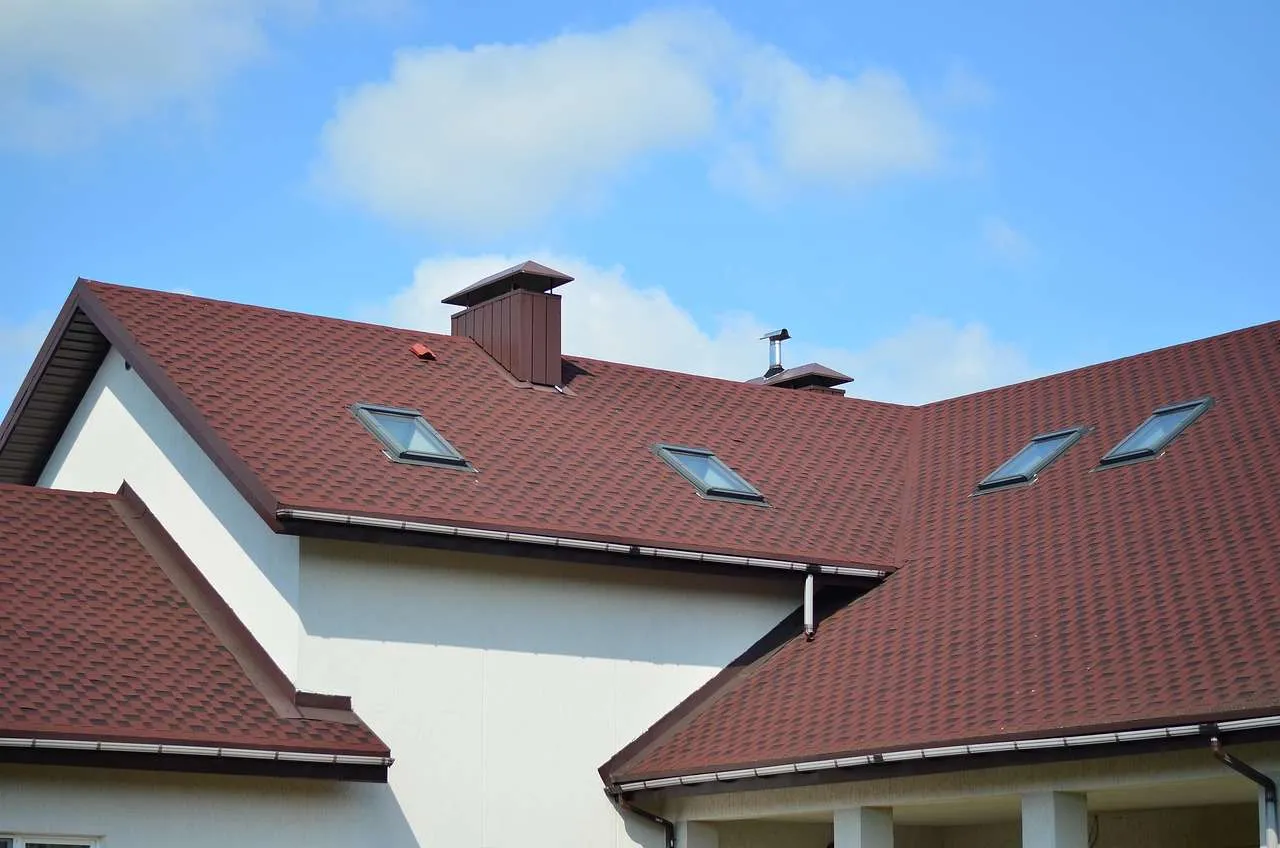
Repair of Roofing: Expert Guide

Repair of roofing is a critical task for protecting a home’s structure, comfort, and value. This guide blends professional experience with clear steps to help homeowners assess, plan, and execute safe, durable roof repairs. By understanding when to repair, what to expect during the process, and how to choose a qualified contractor, you can achieve reliable results with confidence.
Understanding when to repair a roof
Not every leak or shingle issue requires a full replacement. A skilled assessment considers the extent of damage, the roof’s age, and the cost-to-benefit balance. In general, repair is appropriate for localized issues up to about 30-40% of the roof surface, minor leaks, damaged flashing, or isolated missing shingles. If the roof is nearing the end of its expected life, repeated patching may become uneconomical and riskier than replacement. A licensed roofer should provide a written scope and estimate, along with a candid recommendation on whether repair or replacement offers the best long-term value.
Common causes and signs of roof damage
Understanding typical causes helps homeowners detect problems early. Severe weather events—hail, high winds, heavy rain—and ongoing freeze-thaw cycles can stress roofing systems. Look for curled or missing shingles, granule buildup in gutters, interior staining on ceilings, damp attic insulation, and damaged flashing around chimneys or vents. Attic condensation or moisture between layers is another red flag. Regular inspections, ideally twice a year and after major storms, reduce the risk of unexpected failures.
The repair process: steps and safety
Professional roof repairs follow a disciplined sequence to ensure safety and lasting performance. Common steps include: (1) pinpointing the water entry source and assessing underlying structure; (2) delivering a written repair plan with materials, timing, and warranty terms; (3) protecting the work area and weatherproofing, if needed; (4) removing damaged components and installing new shingles, flashing, or underlayment; (5) conducting a final inspection to confirm proper seals and ventilation. Safety considerations emphasize fall protection, ladder precautions, tool handling, and compliance with local building codes. For complex systems such as tile or metal roofs, specialized techniques and equipment are essential.
DIY vs professional: safety and liability
DIY roof repair is typically not advisable for most homeowners. Roof work carries fall risks, potential improper installation, and hidden structural damage that can escalate quickly. Professionals carry liability insurance and workers’ compensation, protecting you if an accident occurs on your property. They also bring familiarity with building codes, warranty conditions, and area-specific weather considerations. If you do attempt simple, non-structural tasks, limit work to easily accessible areas and avoid heavy loads or edge work; otherwise, hire a licensed roofer for the project.
Choosing a roofing contractor: credentials and warranties
To meet EEAT standards, select a contractor who demonstrates expertise, authority, and trustworthiness. Verify licenses and insurance, request local references, and obtain a written estimate with a thorough scope. Inquire about warranties for labor and materials, and ask how long the crew has worked on your roof type (asphalt, metal, tile, or composite). A reputable firm provides a detailed contract, handles permits if required, and offers a clear project timeline that minimizes disruption. Checking online reviews and requesting a pre-work inspection helps ensure alignment on expectations and pricing.
Maintenance tips to extend roofing life
Preventive maintenance reduces the frequency and cost of repairs. Schedule seasonal inspections after severe weather, clean gutters to prevent water backup, trim overhanging branches, and address moss or algae growth promptly. Ensure attic insulation and ventilation are adequate to prevent condensation and moisture buildup. Replace worn seals around vents and flashing early, and document all repairs for future warranty claims. A proactive maintenance plan protects your investment and supports a longer roof life.
Repair vs replacement: quick reference
| Scenario | Repair Pros | Repair Cons | Typical Cost Range |
|---|---|---|---|
| Minor leaks | Quick fix | May recur | $150-$600 |
| Worn flashing | Restore seal | Labor intensive | $300-$1500 |
| Shingle blow-off | Replace damaged section | Patch vs full patch | $300-$1000 |
| Extensive damage | Repair or patching | Higher risk | $1000-$5000 |
Costs vary by region, roof type, accessibility, and material prices. A licensed roofer can provide an itemized estimate after a thorough inspection and explain how factors like attic ventilation and deck condition influence the repair plan. Warranty terms may differ for repairs versus full replacement, and some issues might be covered by manufacturer guarantees on materials used.
Conclusion, timely inspection, professional repair, cost awareness, safety, and smart contractor selection protect your home and extend the life of your roof.