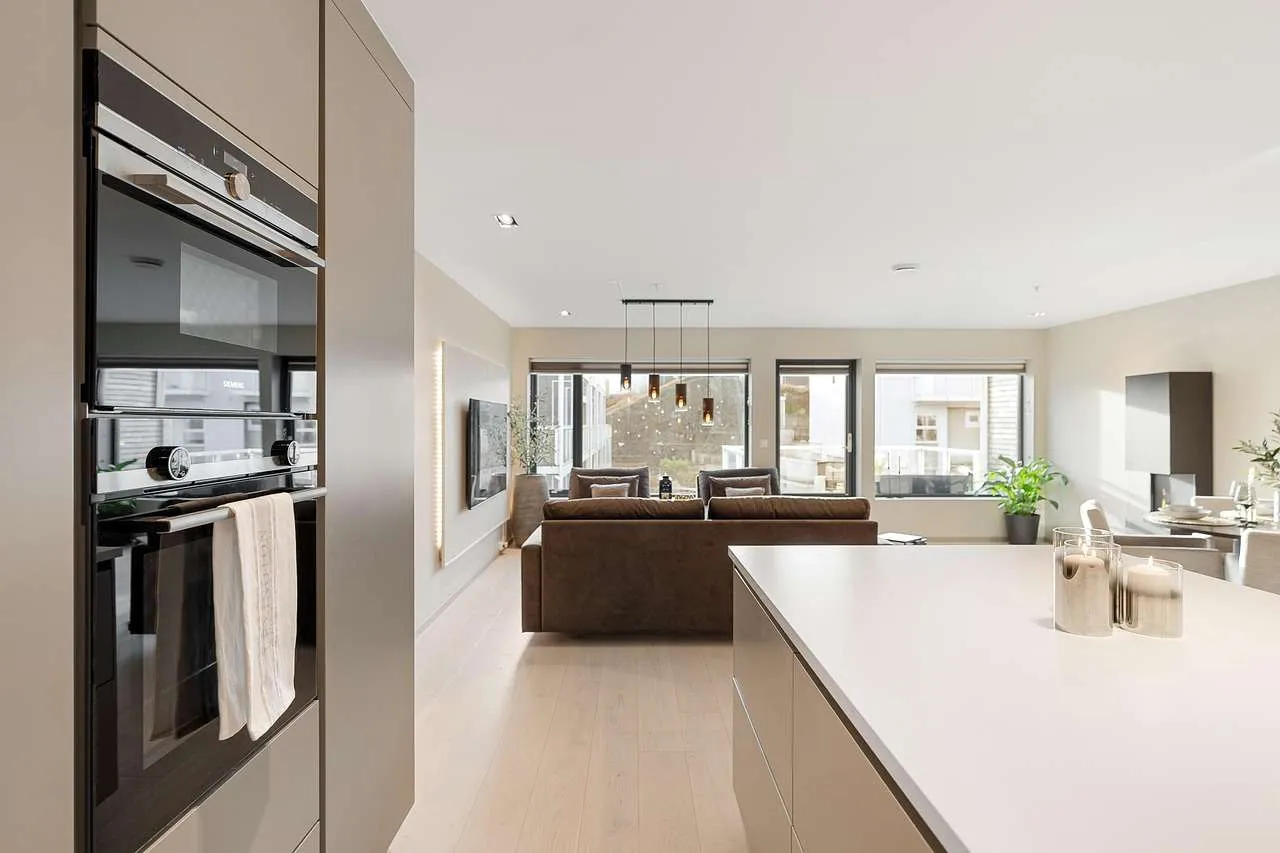
Home Window Tint: A Smart Guide for Homes
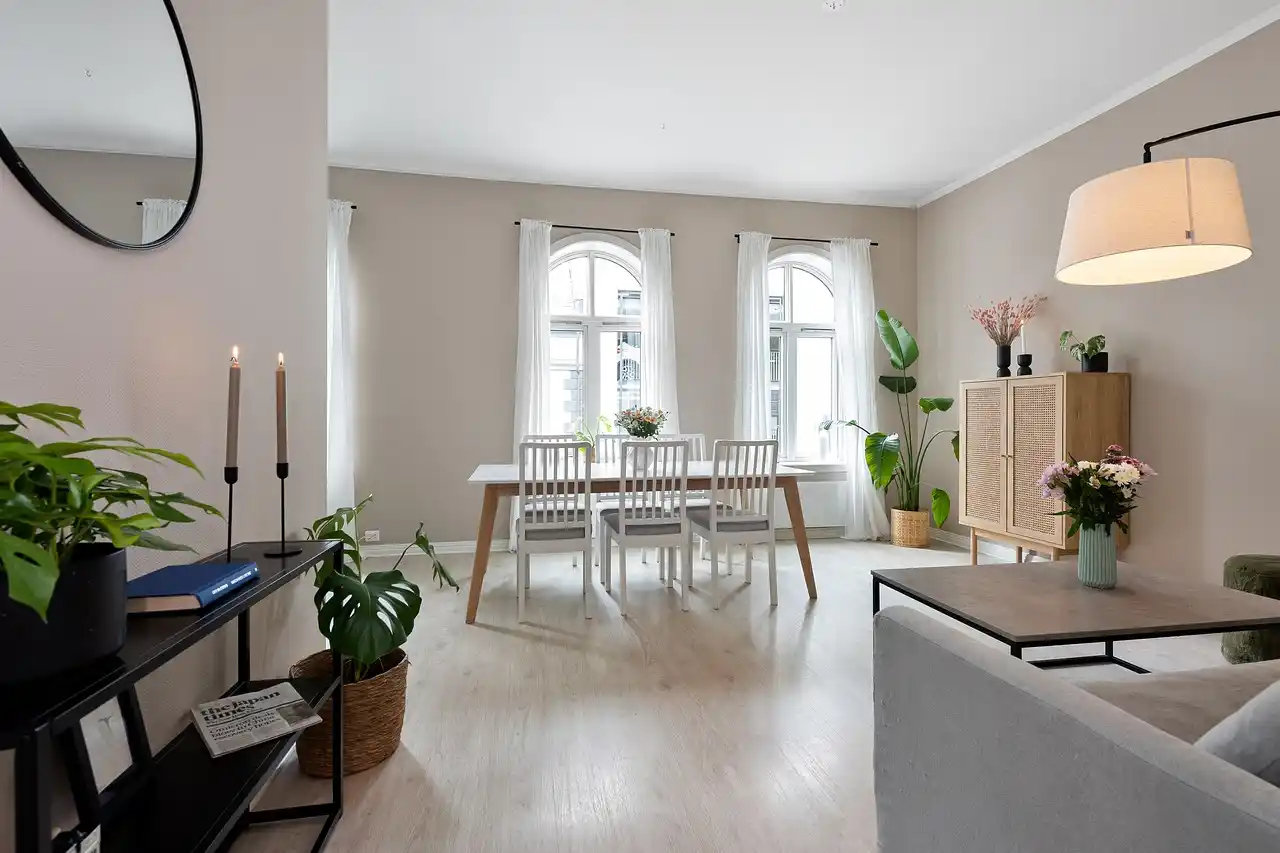
Home window tint is a thin film applied to windows to control heat, glare, and UV exposure. It is a popular upgrade for energy efficiency, comfort, and privacy in modern homes.
What is home window tint?
Window tint is a laminated film that adheres to interior or exterior window glass. It consists of multiple layers: a polyester base, one or more coating layers, and a protective adhesive. The result is a coated pane that reduces heat transfer while preserving visibility.
Benefits of installing home window tint
Lower energy bills, improved comfort, UV protection, reduced glare, and added safety are the key benefits. With professional installation, tinted windows can meet local building codes and warranty requirements.
Common types of home window tint films
Dyed films
Dyed films are affordable and reduce glare and heat. They offer good value but may fade over time and are less durable for long-term heat rejection.
Metalized films
Metalized films reflect heat with metal particles. They provide high heat rejection but can interfere with electronics and create a slight metallic appearance.
Ceramic films
Ceramic films offer strong heat rejection, excellent UV protection, and are non reflective. They maintain clarity and do not interfere with devices.
Carbon films
Carbon films reduce glare and heat without a reflective look. They tend to be mid to premium priced and offer durable color retention and privacy.
Spectrally selective films
Spectrally selective films target specific wavelengths to optimize heat control while preserving visible light and color accuracy. They are often premium options.
Choosing the right home window tint
Assess your climate, room orientation, and the sun exposure of the rooms you use most. Check local regulations for privacy and safety standards. Consider the level of privacy you want and whether you need shatter resistance. A licensed installer can confirm proper fit, warranty status, and compatibility with your windows. Compare options by durability, warranty, and price to make an informed choice.
Installation options and maintenance
Most homeowners opt for professional installation to ensure a clean, bubble-free finish and to preserve window warranties. DIY kits exist but require careful surface cleaning, edge sealing, and curing time. For maintenance, clean with mild soap and water or alcohol-free cleaners; avoid ammonia-based products that can degrade the film. Periodic inspection for peeling or bubbling helps extend the film life.
Cost, ROI, and care tips
Prices vary by film type, window size, and whether installation is DIY or professional. Ceramic and spectrally selective films are more expensive but offer superior performance and longevity. A well-chosen tint can reduce cooling loads in hot seasons, potentially lowering energy bills and increasing comfort without sacrificing natural light. A proper installation often includes a warranty that covers adhesive failure and film integrity for several years.
Comparison of common home window tint films
| Film Type | Heat Rejection | UV Rejection | Glare Reduction | Privacy | Cost |
|---|---|---|---|---|---|
| Dyed | Moderate | High | Moderate | Low to Moderate | Low |
| Metalized | High | Good | High | Low | Medium |
| Ceramic | Very High | Excellent | High | Moderate | High |
| Carbon | High | Excellent | Moderate | Moderate | Medium-High |
| Spectrally Selective | Very High | Excellent | High | High | Premium |
Conclusion
Conclusion, home window tint offers energy savings, UV protection, glare reduction, and enhanced privacy when chosen and installed correctly. By understanding film types, compliance considerations, and professional installation options, homeowners can achieve a comfortable, efficient, and safe living space.