Bathroom Tiles: Materials, Styles, Guides
Choosing bathroom tiles shapes the room's look and performance. In a space that's constantly exposed to moisture, the material, finish, and installation method determine not only aesthetics but long-term durability and maintenance needs. This guide, grounded in practical experience and industry best practices, helps homeowners pick tiles that balance style with safety and ease of care.
Why bathroom tiles matter
Tiles protect walls and floors from water damage, mold, and staining while adding texture and color to a small, high-humidity environment. A well-chosen tile system also supports ease of cleaning and long-term resale value. For readers seeking trustworthy guidance, prioritize materials with proven moisture resistance, non-slip finishes for floors, and professional installation to ensure proper waterproofing and grout sealing.
Key tile materials for bathrooms
Ceramic and Porcelain
Ceramic and porcelain tiles are among the most common bathroom choices. Ceramic tiles are typically cost-effective, available in broad color and pattern options, and suitable for walls and light-traffic floors. Porcelain tiles are denser, less porous, and offer superior water resistance and durability, making them ideal for floors and wet zones. When choosing porcelain, look at the water absorption rate and select a grade appropriate for floor use to maximize longevity.
Natural Stone
Natural stone such as marble, travertine, or slate offers timeless beauty and warmth. Stone surfaces require more maintenance: sealing to reduce staining, periodic re-sealing, and careful cleaning to avoid etching or dulling of the surface. In showers and wet areas, select hard-wearing stones and ensure a proper sealing routine to preserve their appearance.
Glass and Cement tiles
Glass tiles bring a bright, reflective quality that enlarges small bathrooms and pairs well with ceramic or stone accents. They can be slippery when wet, so use them on walls or with slip-resistant floor tiles. Cement tiles offer bold patterns and a unique personality but are porous and may require sealing and more frequent maintenance to guard against moisture and staining.
Size, patterns, and layouts
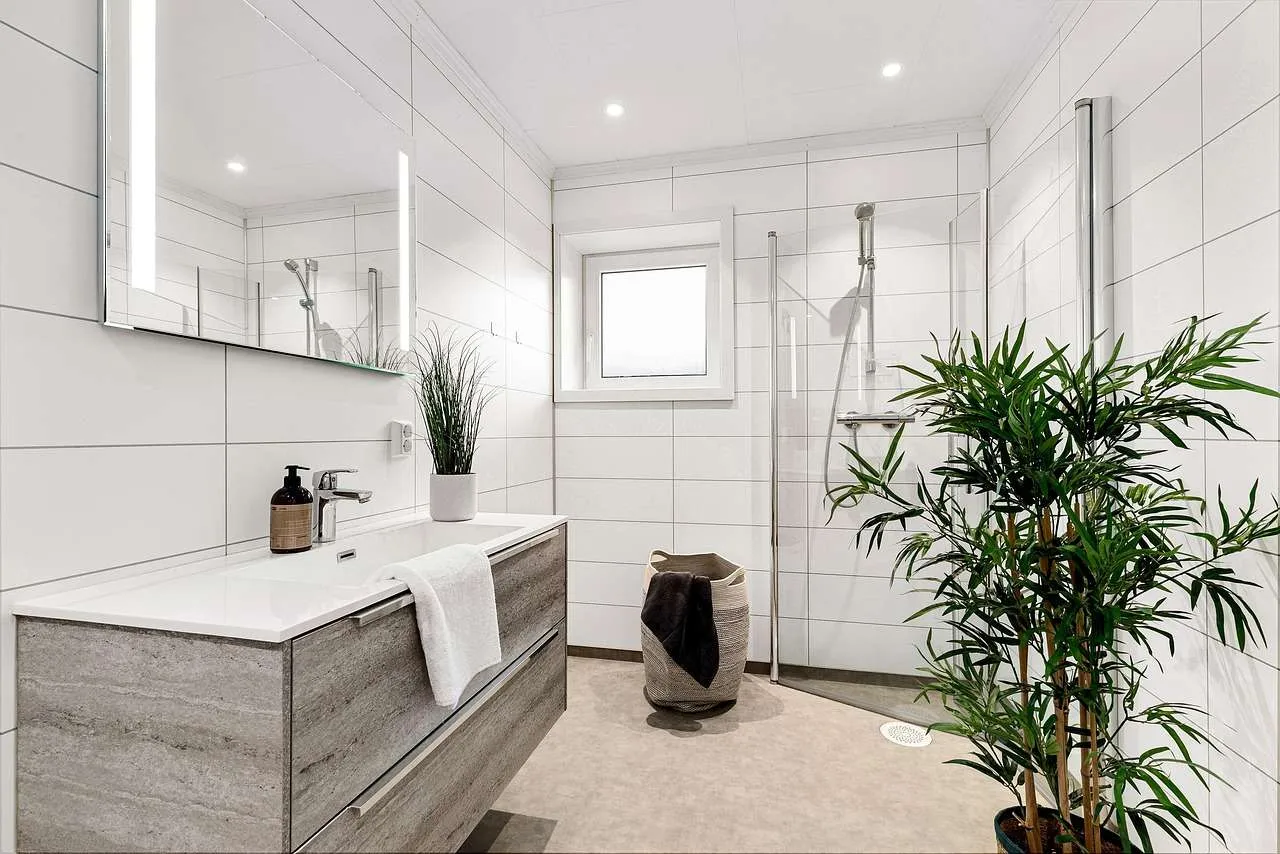
Tile size influences the room’s perceived space and maintenance needs. Large-format tiles (such as 12x24 inches or 24x24 inches) reduce grout lines, creating a cleaner look and easier cleaning in shower niches and floors. For walls, metro or brick patterns offer timeless appeal. Creative layouts—herringbone, basketweave, or diagonal placements—can add visual interest without compromising durability. When planning, consider how grout color interacts with tile color; high-contrast grout emphasizes lines, whereas matching grout minimizes grout visibility for a seamless look.
Design trends and color palettes
Neutral bases—soft whites, beiges, and cool grays—remain versatile and timeless. Accent with bold trims, glass mosaics, or color-pop wall tiles. Wood-look porcelain is popular for a warm, natural feel with the practicality of ceramic or porcelain. For safety and maintenance, choose matte or satin finishes on floors to maximize slip resistance, while wall tiles may opt for glossier finishes to enhance light reflection. Always test samples in your space’s lighting to see how the final color evolves from morning to evening.
Safety, maintenance, and sealing
Slip resistance is critical in wet areas. Check coefficient of friction (COF) ratings for floor tiles, especially in showers or near bathtubs. Porous materials, natural stones, and some cement tiles require sealing to prevent moisture ingress and staining. Re-seal grout lines every 6–24 months depending on use and product guidelines. Regular cleaning with pH-balanced cleaners protects the tile surface and prolongs grout life without dulling the finish.
Installation considerations
Professional installation is highly recommended for bathrooms, particularly on floors and in shower enclosures where waterproofing and proper slope are essential. Ensure a suitable substrate, waterproof membrane, and the correct grout type. Epoxy grout offers excellent stain resistance and durability in wet areas but can be more challenging to install than cement-based grout. Regular maintenance and timely resealing of porous surfaces extend the life of your tile investment.
Cost, budgeting, and planning
Tile costs vary widely by material, size, and labor. Ceramic tiles are typically affordable, porcelain provides higher durability at mid-range pricing, and natural stone or glass can be premium options. Don’t forget installation, waterproofing, and grout sealing in the total budget. Consider sample tiles for color accuracy and plan for waste and cuts, which can affect total costs. A balanced budget often combines durable floor tiles with decorative wall tiles to create a high-end look without overextending financially.
How to choose the right bathroom tiles
Start by evaluating moisture exposure, traffic level, and maintenance willingness. For floors, prioritize slip resistance and durability; for walls, color and ease of cleaning matter most. Test material samples in your bathroom’s lighting to see how tones shift. Consult with licensed contractors for waterproofing and an accurate install plan, and ask for references or a portfolio of completed projects to ensure workmanship quality.
| Tile Material | Pros | Cons | Maintenance | Slip & Durability | Cost |
|---|---|---|---|---|---|
| Ceramic | Affordable, wide color range | Less durable on floors under heavy traffic | Easy to clean; grout needs occasional sealing | Moderate slip resistance; good for walls | Low |
| Porcelain | Dense, excellent water resistance | Harder to cut; fewer texture options | Low maintenance; sealing not always required | Good slip resistance with appropriate finish | Medium |
| Natural Stone | Timeless beauty; unique patterns | Porous; requires sealing and maintenance | Sealing; periodic resealing | Varies by stone and finish; polished can be slippery | Medium-High |
| Glass | Bright, modern look; easy to clean | Can be slippery; visible grout lines | Low porosity; simple maintenance | Low to medium slip depending on finish | Medium-High |
| Cement | Bold patterns; strong durability | Untreated can be chalky; color bleed possible | Sealing essential; reseal intervals vary | Typically slip-resistant with texture | Medium |
In practice, many bathrooms use a combination: porcelain floor tiles for durability and ceramic or glass accents on walls to control cost and create contrast. Always request a sample and test in your bathroom’s lighting to see how colors evolve from morning to evening.
Conclusion, selecting bathroom tiles involves balancing moisture performance, maintenance needs, and design goals. By choosing appropriate materials, finishes, and professional installation, you can create a beautiful, durable space that remains easy to clean and safe for daily use.