Small Bathroom Ideas: Smart Space-Saving Tips
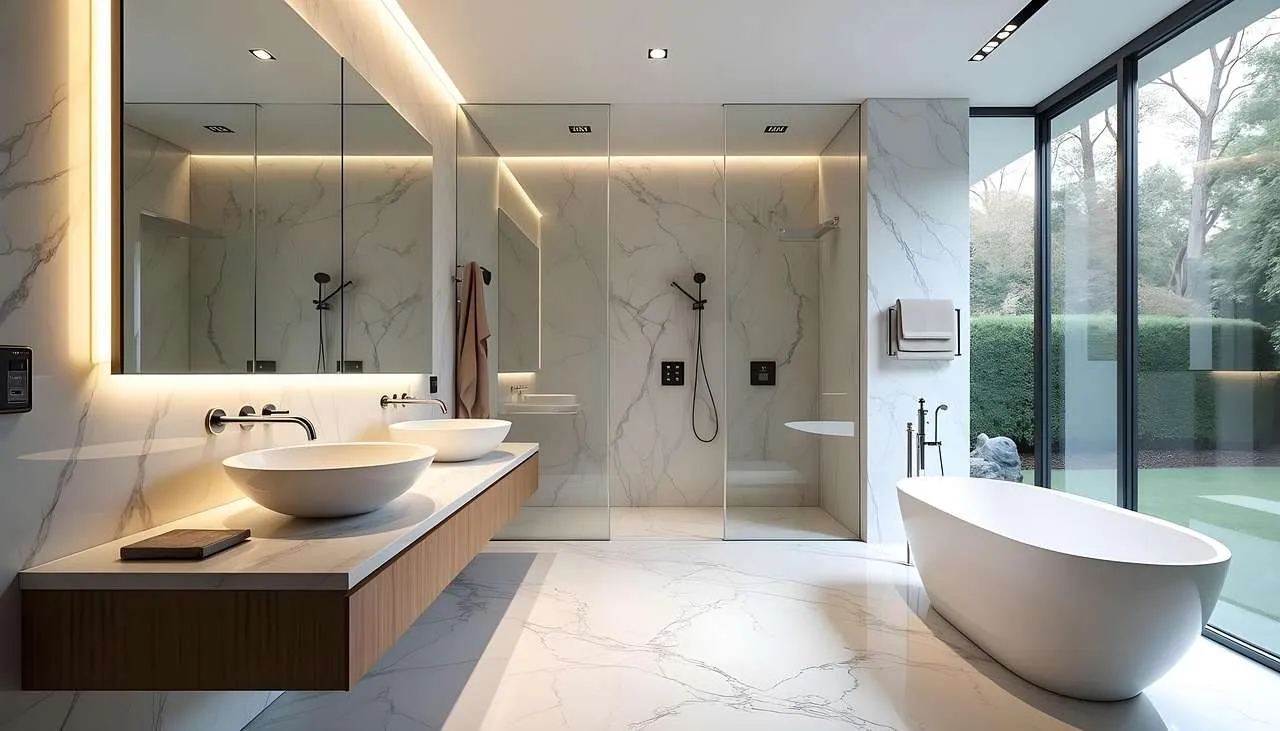
Designing around the core idea of small bathroom ideas means prioritizing flow, light, and storage. A thoughtful approach combines layout, materials, and fixtures to create a room that feels larger while staying functional and durable. This guide offers practical, EEAT-aligned strategies—from professional layout planning to reliable fixture choices—that help you achieve an efficient, stylish bath.
Plan and Design Principles
Begin with accurate measurements, including door swing, clearance around the sink, and shower access. A clear zoning plan prevents crowding and makes maintenance easier. When you map plumbing lines and ventilation, you reduce the risk of late-stage changes that drain budgets and delay projects. A cohesive plan also informs which features you truly need versus what is merely decorative.
Smart Layout Strategies
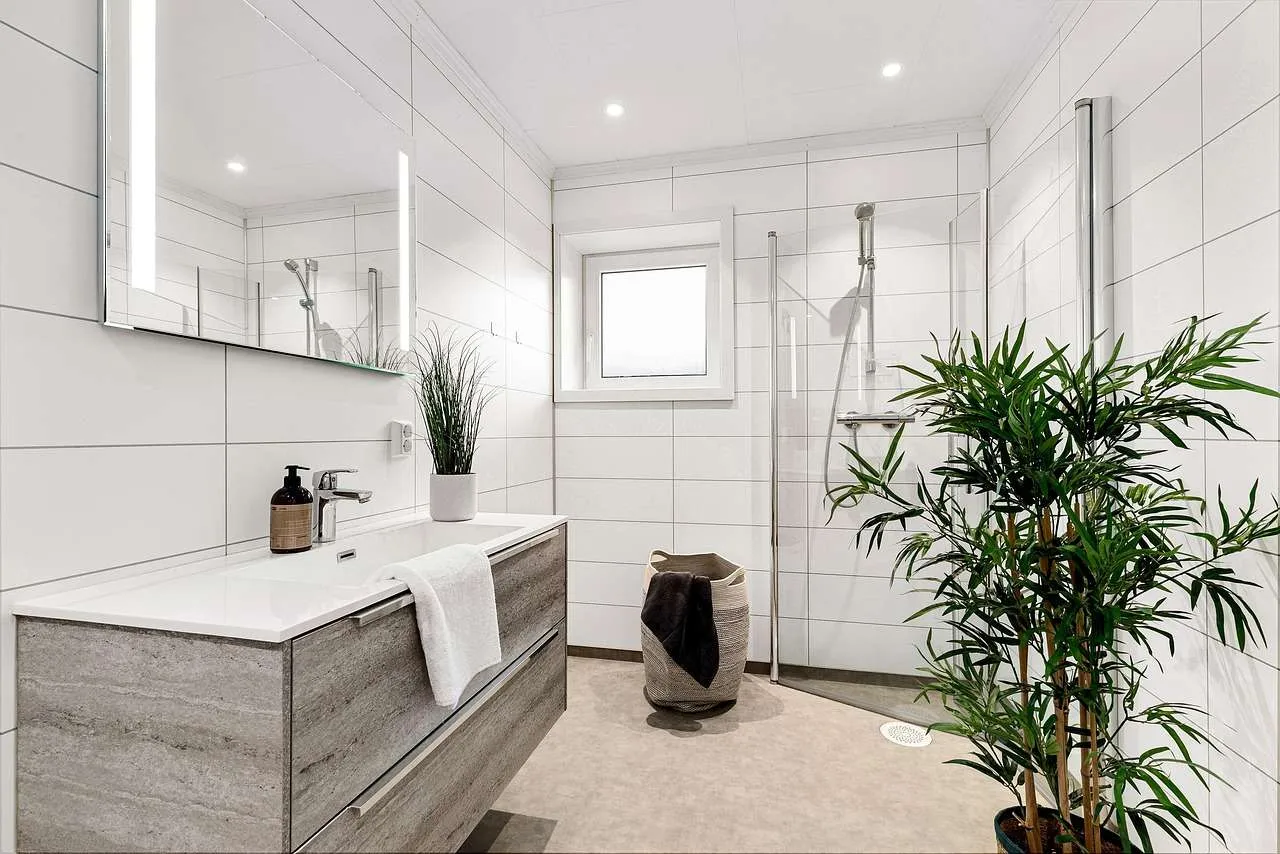
- Prioritize wall-mounted or compact fixtures to open the floor area visually.
- Place the vanity and toilet along the same wall to streamline plumbing and create a cohesive sightline.
- Consider a corner shower or a sliding shower door to minimize swing space.
- Use vertical space for storage with tall cabinets or open shelving above the toilet.
- Keep a clear path between entry and main fixtures to improve usability and safety.
Color, Lighting, and Finishes
Light colors, reflective surfaces, and layered lighting create the illusion of space and enhance daily usability. A frameless mirror, glass shower enclosures, and minimal hardware reduce visual clutter. Choose moisture-resistant finishes and matte or satin textures that hide water spots while staying easy to clean. For sustainability, select low-VOC paints and energy-efficient LED lighting.
Lighting Tips
- Layer ambient, task, and accent lighting to avoid dark corners.
- Install LED fixtures with cool or neutral white light for a fresh feel.
- Use dimmers and motion sensors in bathrooms used by guests or family members with mobility needs.
Space-Saving Fixtures and Storage
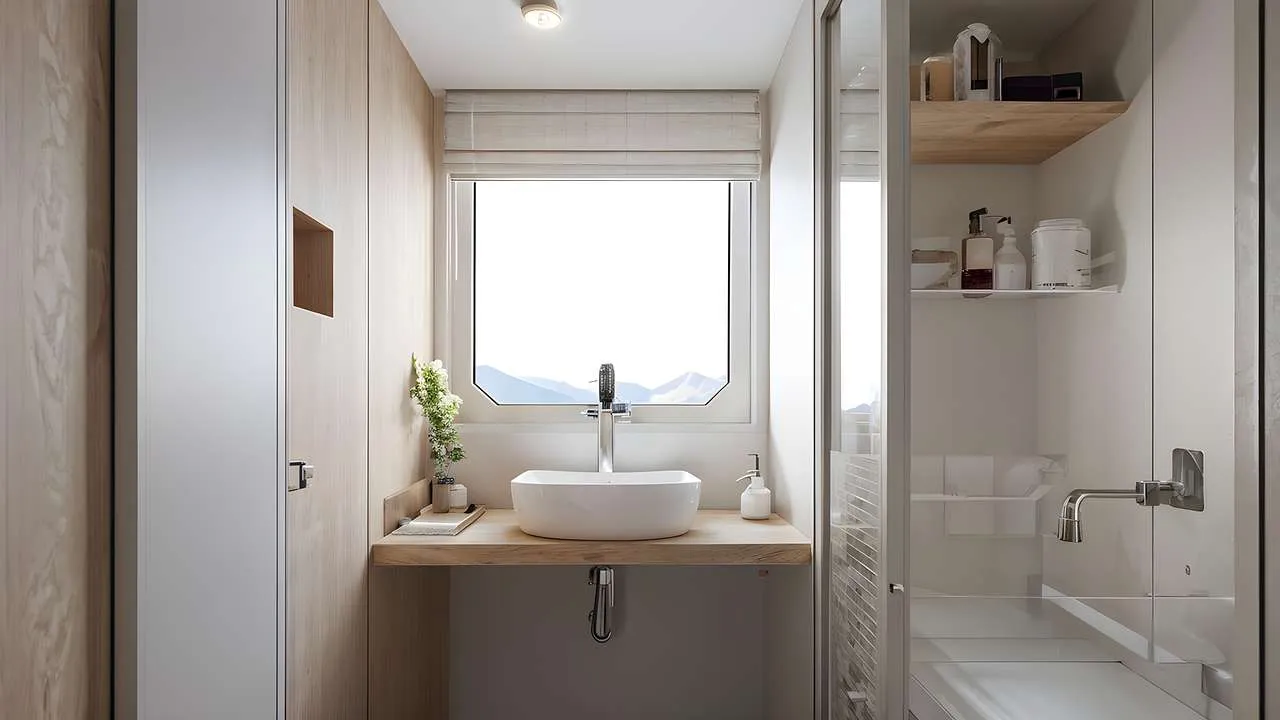
Compact vanities, wall-mounted sinks, and wall-hung toilets dramatically free up floor space. A corner shower or a slim-profile shower enclosure makes the most of limited square footage. Use recessed niches or corner shelves for toiletries to keep counters clear and reduce clutter. When choosing fixtures, balance form with maintenance needs and accessibility.
Smart Fixture Options
- Wall-mounted vanity or pedestal sink to reveal more floor space.
- Wall-hung toilet with a concealed tank for a streamlined look.
- Pocket doors or barn doors to save space on door swing.
- Frameless glass shower doors for a sense of openness.
Built-in Storage Solutions
- Recessed medicine cabinets and mirrored with lighting for function and depth.
- Recessed niches in the shower and around the tub for soaps and shampoos.
- Over-door organizers and tall, slim cabinets to utilize vertical walls.
Materials, Durability, and Budget
Material choice affects both longevity and aesthetics. Opt for moisture-resistant substrates, epoxy grout, ceramic or porcelain tiles, and vinyl or PVC-backed laminates for cost efficiency. Plan a phased budget that prioritizes core updates (plumbing, ventilation, lighting) before cosmetic changes. For safety and reliability, rely on licensed professionals for electrical and plumbing work, and select reputable brands to ensure warranties and service support.
Budgeting and Project Phases
- Phase 1: Structural and ventilation upgrades to prevent moisture damage.
- Phase 2: Core fixtures (toilet, vanity, sink) and lighting plan.
- Phase 3: Finishes, trim, storage solutions, and hardware.
Comparison: Fixture Types
| Fixture Type | Space Impact | Typical Cost | Maintenance |
|---|---|---|---|
| Wall-mounted vanity | High | Medium | Low |
| Pedestal sink | Medium | Low | Moderate |
| Pocket door | Very High | Medium | Low |
| Corner shower | High | Medium | Moderate |
Note: Costs are indicative and vary by region, brand, and installation requirements. Obtain multiple quotes and verify warranties before purchasing.
To strengthen EEAT, consult qualified designers and licensed contractors when undertaking electrical, plumbing, or ventilation work. Read product manuals, check certifications, and choose brands with proven performance and solid customer service. This approach minimizes risk and ensures the project meets local building codes while delivering lasting value.
Conclusion, applying these small bathroom ideas helps you maximize space without compromising function or style. A deliberate layout, light-filled finishes, compact fixtures, and smart storage unlock a room that feels larger, more organized, and easier to maintain. By planning with professional guidance and prioritizing durable materials and reliable brands, you create a bathroom that not only looks good but also performs well for years to come.