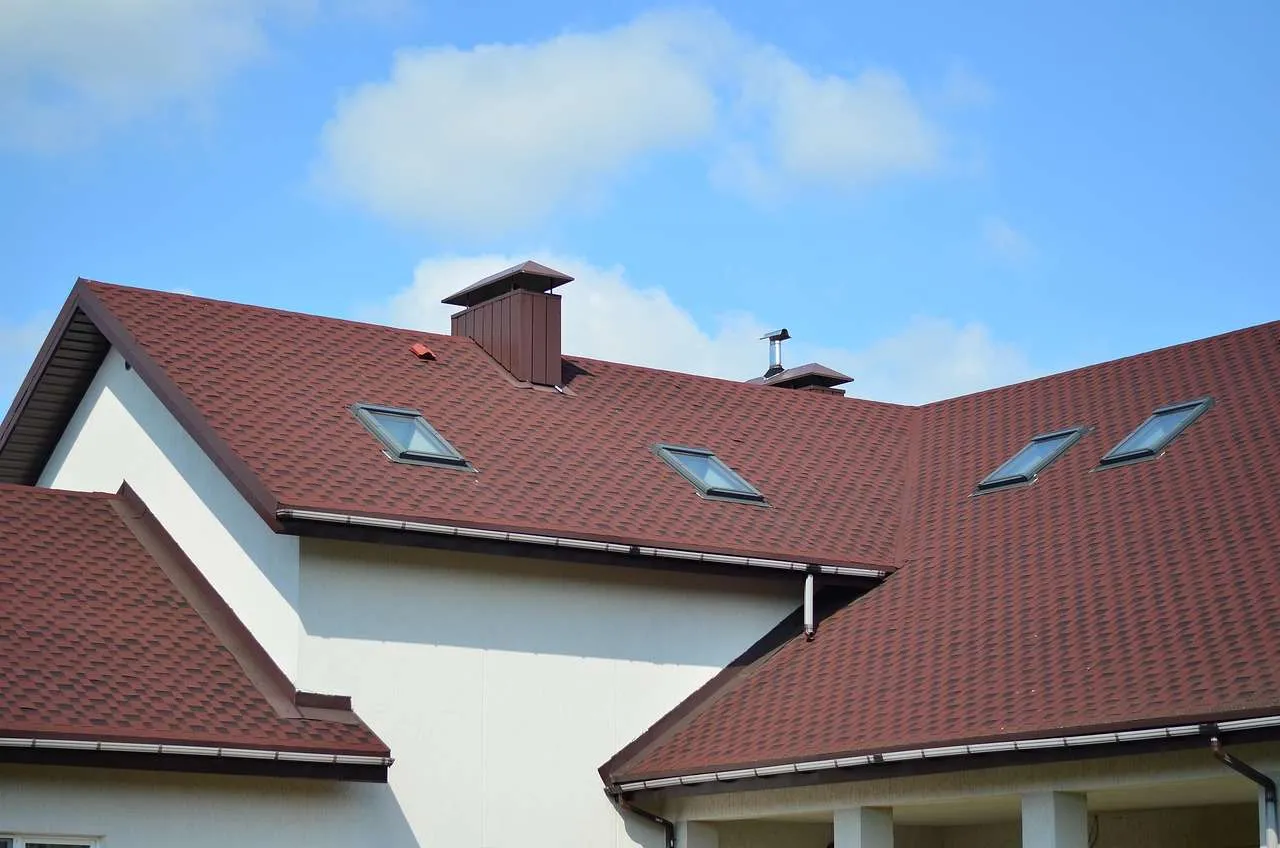
TPO Roofing Guide for Flat Roofs

TPO roofing is a widely used single ply membrane designed for flat and low slope roofs. As a roofing professional with more than a decade of field experience, I explain what tpo roofing is and why it remains popular in commercial and residential settings.
What is TPO roofing
TPO stands for thermoplastic polyolefin. It is produced as a flexible sheet that is rolled onto the roof and secured by heat welding seams or mechanical fasteners. TPO sheets are typically white or light gray to reflect sunlight and reduce cooling loads, making them a good choice for hot climates and energy conscious buildings.
Variants and colors
While white membranes dominate in warmer areas, tinted options exist for some climates. The color choice can influence reflectivity and ultraviolet exposure, which affects long term performance.
Benefits of tpo roofing
- High reflectivity helps lower cooling costs and improves energy efficiency
- Good durability with resistance to tears and punctures when properly installed
- Flexible performance across a wide temperature range facilitates installation in different climates
- Light weight and simple seam operations can shorten installation time
- Repair work and patching are usually straightforward on the membrane surface
Considerations and limitations
Quality of installation matters the most for tpo roofing. Proper substrate preparation, correct seam heat welding or mechanical fastening, and correct flashing details are critical. Wind uplift, UV exposure over time, and substrate compatibility can influence longevity. Expect typical lifespans to be influenced by climate, traffic, and maintenance, often ranging from 15 to 20 years with good care.
Installation basics
Most tpo systems are installed on order with factory certified membranes. Common methods include loose laid with adhesive, fully adhered sheets, or mechanical fastening with a cover board. Heat welded seams create watertight joints that are robust when done by trained technicians. It is important to verify insulation compatibility, proper edge detailing, and warranty terms before work begins.
Maintenance and lifecycle
Maintenance is typically simple. Regular inspections after severe weather help catch seam separations or punctures early. Clean gutters and drainage paths to prevent water buildup. If a patch is needed, use compatible tpo patching materials and ensure a secure weld to the surrounding membrane. A good maintenance plan supports long term performance and a solid warranty.
Cost and warranties
Costs for tpo roofing vary by region, membrane thickness, and installation method. Generally it offers a favorable balance of upfront cost and performance compared with some other single ply options. When evaluating warranties, look for workmanship coverage from the installer and product warranties from the membrane manufacturer. A warranty that covers seam integrity and UV resistance is a strong sign of reliability.
Comparing tpo with PVC and EPDM
| Feature | TPO | PVC | EPDM |
|---|---|---|---|
| Membrane type | Thermoplastic polyolefin | Thermoplastic polyvinyl chloride | Ethylene propylene diene monomer |
| Reflectivity | High in white variants | Very high when white | Lower reflectivity unless coated |
| Durability | Good tear and puncture resistance | Strong but can suffer plasticizer migration | Excellent long term flexibility |
| Installation method | Heat weld seams | Heat weld seams | Bonded or mechanically attached |
| Typical cost per sq ft | Mid range | Higher | Lower to mid |
| Recyclability | Recyclable in many markets | Recyclable in many markets | Limited in some markets |
Expert guidance and trusted sources
As a veteran contractor, I advise verifying that a contractor follows industry best practices and adheres to local building codes. Seek references and manufacturer warranty requirements, and ask for third party evaluations where available. NRCA guidelines and manufacturer specifications help frame a reliable selection and installation plan. This approach enhances experience, expertise, authoritativeness, and trustworthiness in line with EEAT principles.
Making a smart choice
To choose the right tpo system, evaluate climate, roof substrate, expected foot traffic, and desired energy performance. Compare membranes from reputable manufacturers, review installation training, and request a written warranty detailing seam workmanship and material guarantees. A qualified installer should provide a site assessment, a clear scope of work, and a thorough inspection plan after completion.
Conclusion, tpo roofing offers a balanced solution for flat and low slope roofs with energy advantages, solid durability, and adaptable installation options. By selecting the right membrane, ensuring proper substrate and seam work, and upholding a robust maintenance regime, you can achieve dependable performance and a strong total cost of ownership for many years to come. Summary of the key points includes understanding the membrane type, recognizing installation importance, weighing cost and warranty, and using a trusted contractor for best results.